Why Skipping Props in Yin Yoga Can Undercut the Whole Practice
Skipping props in yin yoga and sinking as deep as possible into a pose gets treated as the more advanced, more committed approach. But yin’s benefit comes from holding a pose in a passive, sustainable state for several minutes at a time, and going deeper than that sustainable point without support forces small muscle engagement that works against the passive stretch the practice depends on.
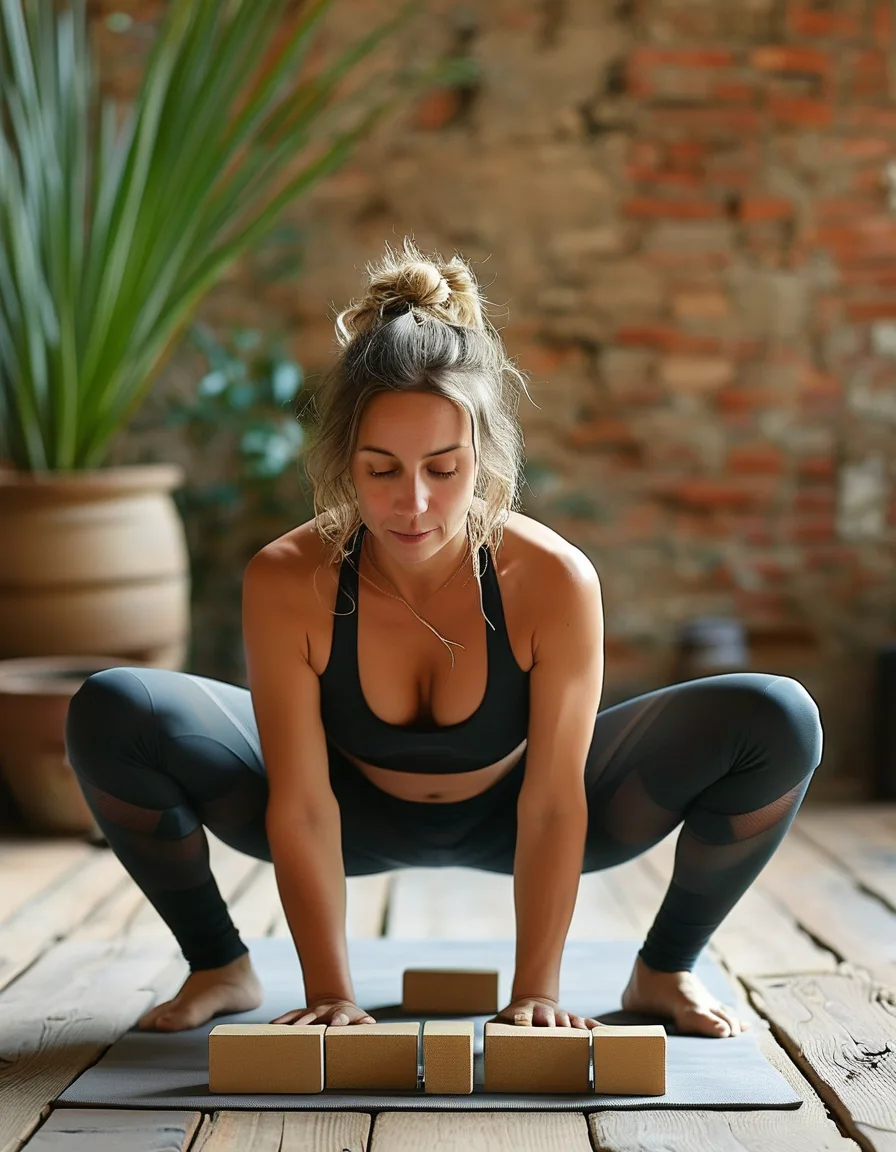
Why Going Deeper Without Props Feels More Advanced
The intensity-equals-progress assumption: sinking further into a stretch without any support looking like a sign of greater flexibility and commitment, similar to how depth is often prized as a marker of skill in more active yoga styles.
Why Props Are Actually What Makes the Passive Hold Possible
The physiological requirement: yin yoga’s connective tissue benefits depending on a pose being held in a genuinely passive, low-effort state for three to five minutes or longer, and a depth that requires ongoing small muscular engagement to maintain, even subtle, prevents that full passive release, meaning props that reduce depth slightly often allow a more effective, sustainable hold.
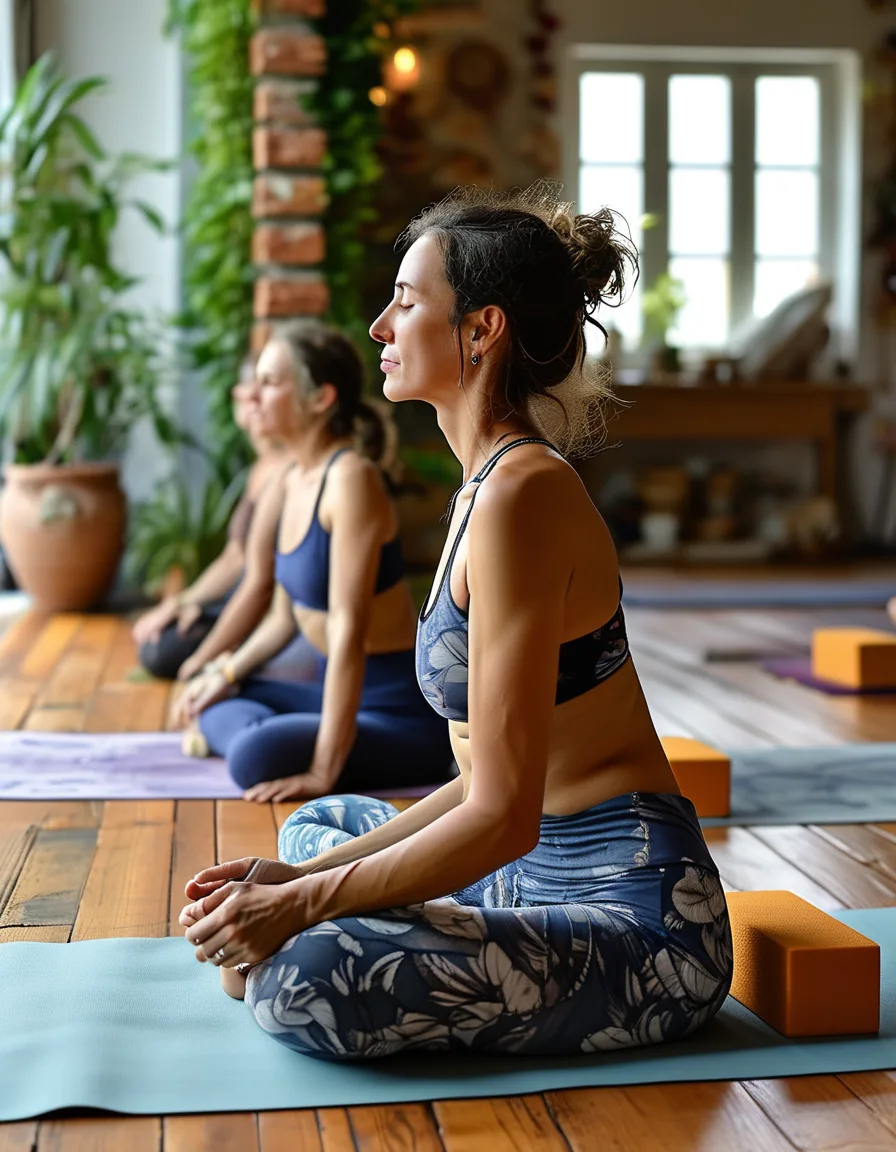
Why the No-Props Approach Still Feels Right
The overlap: a supported, prop-assisted pose looking less intense and sometimes less impressive from the outside, which makes it feel like a lesser version of the pose, even though the deeper, unsupported version may be working against the specific passive mechanism yin is built around.
How to Actually Use Props in Yin Yoga
The practical approach: using blocks, bolsters, or folded blankets to bring a pose to the point where it can be held completely passively for the full time target, adjusting support based on how the body feels that day rather than chasing maximum depth, and the frame (yin’s benefit requires a genuinely passive hold, not maximum depth — using props to enable that passive state is what actually deepens the practice’s real benefit.)
Skipping props in yin yoga and sinking as deep as possible gets treated as the more advanced approach, but yin’s benefit depends on a pose being held in a genuinely passive, low-effort state for three to five minutes or longer, and a depth that requires ongoing small muscular engagement prevents that full passive release. A supported, prop-assisted pose looks less intense from the outside, which makes it feel like a lesser version even though the deeper unsupported version may be working against the passive mechanism yin depends on. Using props to reach a point that can be held completely passively is what actually deepens the practice’s real benefit.
Keep Reading
This article is for general informational purposes only and is not medical advice. Always consult a qualified health professional for guidance specific to you.