Morning or Evening: When Should You Actually Practice Yin Yoga?
Quick Answer: Evening yin yoga is generally better for winding down and improving sleep, since long-held passive stretches activate the parasympathetic nervous system when muscles are already warm from the day. Morning yin can work too, but requires more warm-up time since muscles and connective tissue are stiffer and colder after sleep.
You’ve probably heard yin yoga described as calming no matter when you do it — but the actual physical and mental experience shifts a lot depending on whether your body is starting the day or ending it.
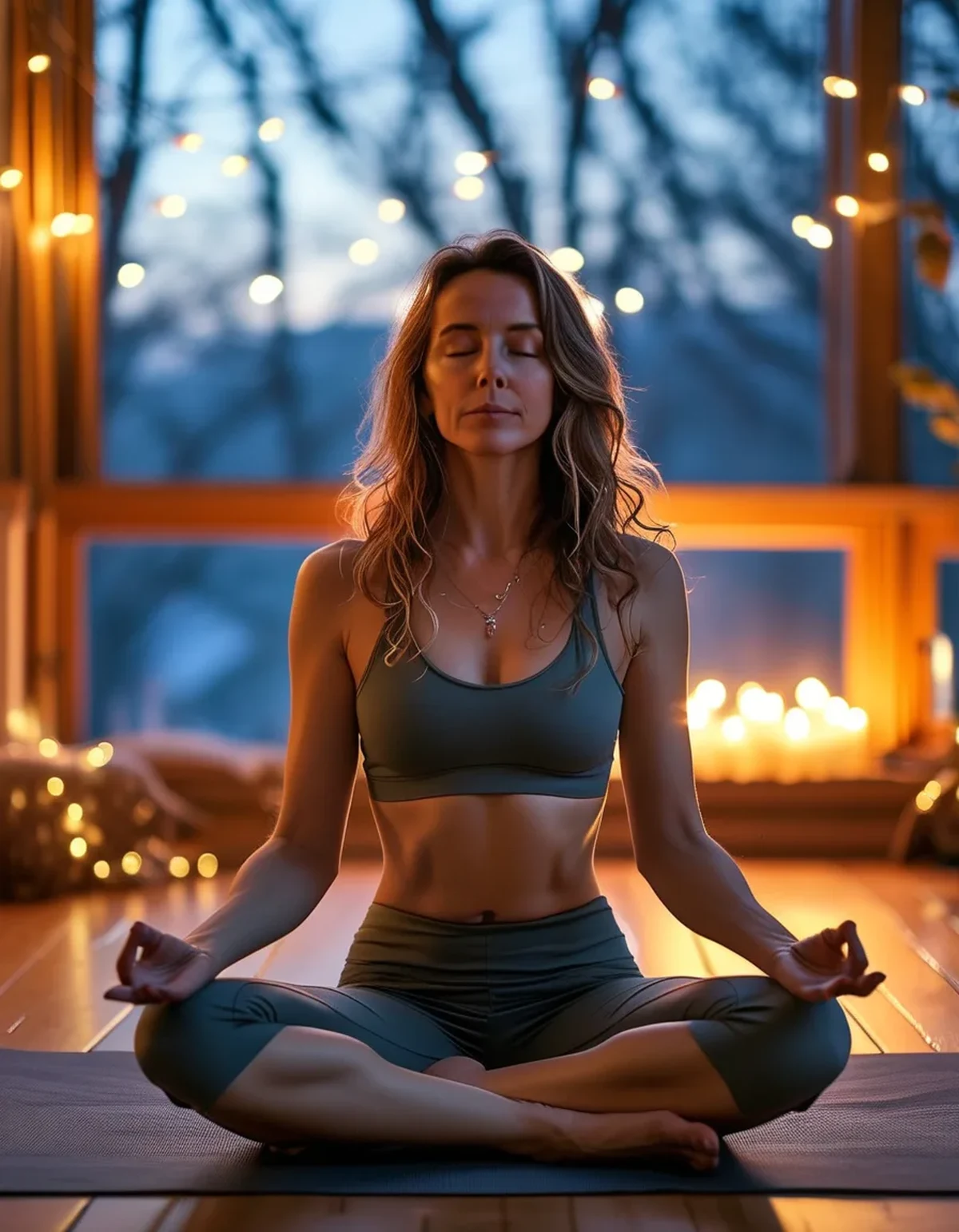
Why does evening practice tend to feel more effective for most people?
By evening, your muscles and connective tissue are already warmed from a full day of movement, which allows you to ease into deep yin holds more comfortably than first thing in the morning. Evening practice also naturally follows the day’s stress, so the parasympathetic (rest-and-digest) activation that yin yoga encourages lines up with what your nervous system is already trying to do as bedtime approaches.
What makes morning yin yoga harder, and is it still worth doing?
Connective tissue is naturally stiffer after hours of stillness during sleep, so morning yin sessions typically need a longer warm-up and gentler entry into each pose to avoid overstretching a cold joint. It’s still worth doing if it’s the only time that fits your schedule — just expect poses to feel more intense at the same depth compared to an evening session, and ease in more gradually.
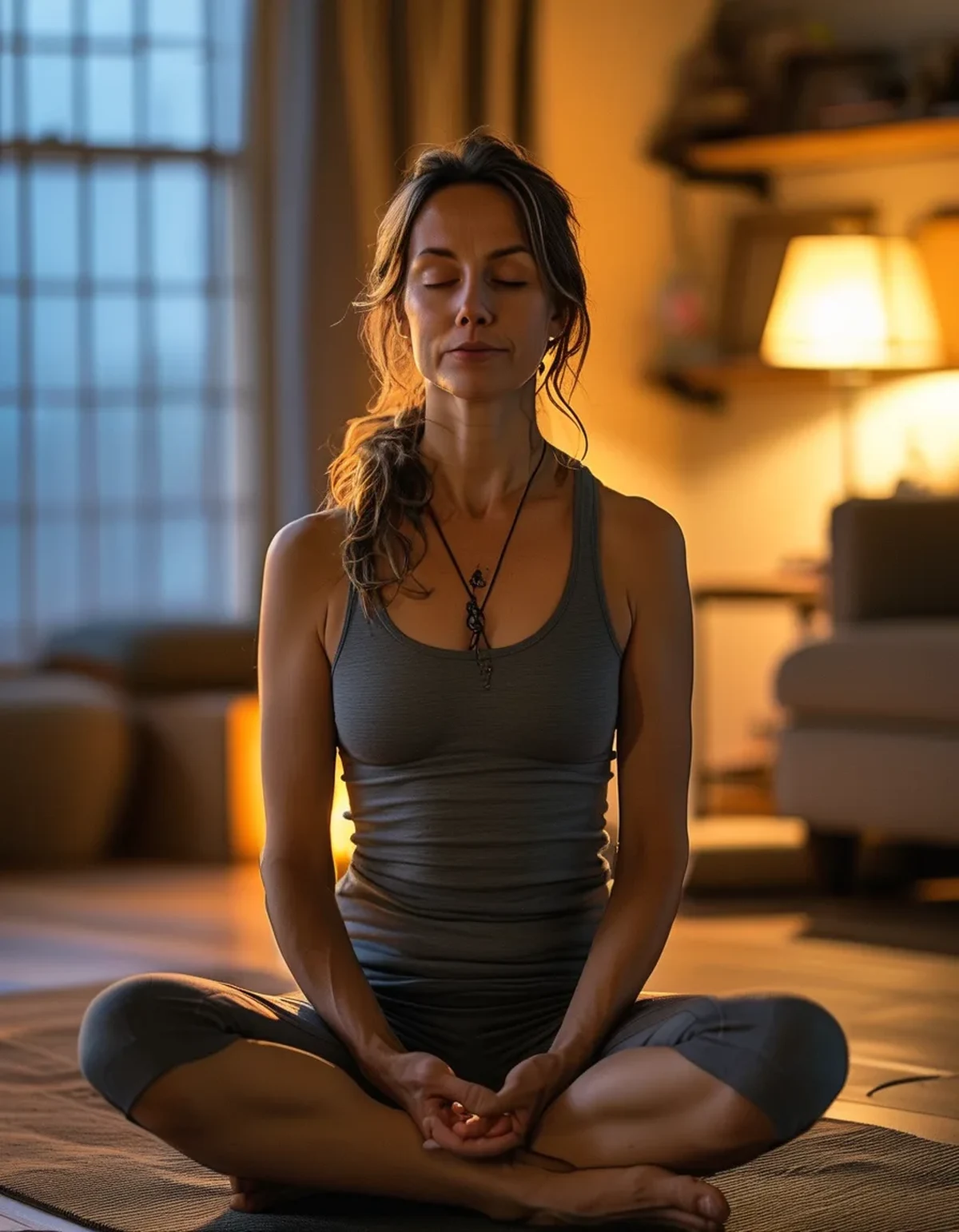
Does yin yoga actually help you fall asleep faster if done right before bed?
For many people, yes — long, passive holds paired with slow breathing lower heart rate and activate the body’s relaxation response, which can make the transition into sleep smoother. The key is keeping the practice gentle and avoiding any poses that feel intense or effortful close to bedtime, since discomfort works against the calming effect you’re going for.
Myth vs Fact: Yin Yoga Timing
Myth: Yin yoga always has the same effect regardless of time of day. Fact: Tissue temperature and nervous system state both shift with the time of day, which measurably changes how a pose feels and how deep you can safely go.
Myth: You need a full hour to get the calming benefit. Fact: Even a short 15-20 minute evening yin sequence focused on 2-3 poses can meaningfully support wind-down, especially before bed.
FAQ: Yin Yoga Timing, Answered
Is it bad to do yin yoga right after waking up with no warm-up at all?
It’s not dangerous for most healthy people, but easing in with gentler variations of each pose for the first few minutes reduces the chance of overstretching cold tissue.
Can I do yin yoga both morning and evening?
Yes, and some people do — a shorter morning session for mobility and a longer evening session for wind-down serve genuinely different purposes rather than duplicating each other.
Does room temperature matter more at one time of day than the other?
A slightly warmer room helps morning practice more, since it partially compensates for cold, stiff tissue; evening practice is more forgiving of room temperature since the body is already warm.
TL;DR:
- Evening yin yoga pairs naturally with already-warm muscles and the body’s wind-down process
- Morning practice works but needs a longer, gentler warm-up for stiffer tissue
- Even a short evening session can support better sleep onset
- You can practice both morning and evening for different purposes without redundancy
There’s no universally ‘right’ time — but if sleep or stress relief is your main goal, evening is the more reliable match.
Keep Reading
This article is for general informational purposes only and is not medical advice. Always consult a qualified health professional for guidance specific to you.