How Long Should You Actually Hold a Yin Yoga Pose?
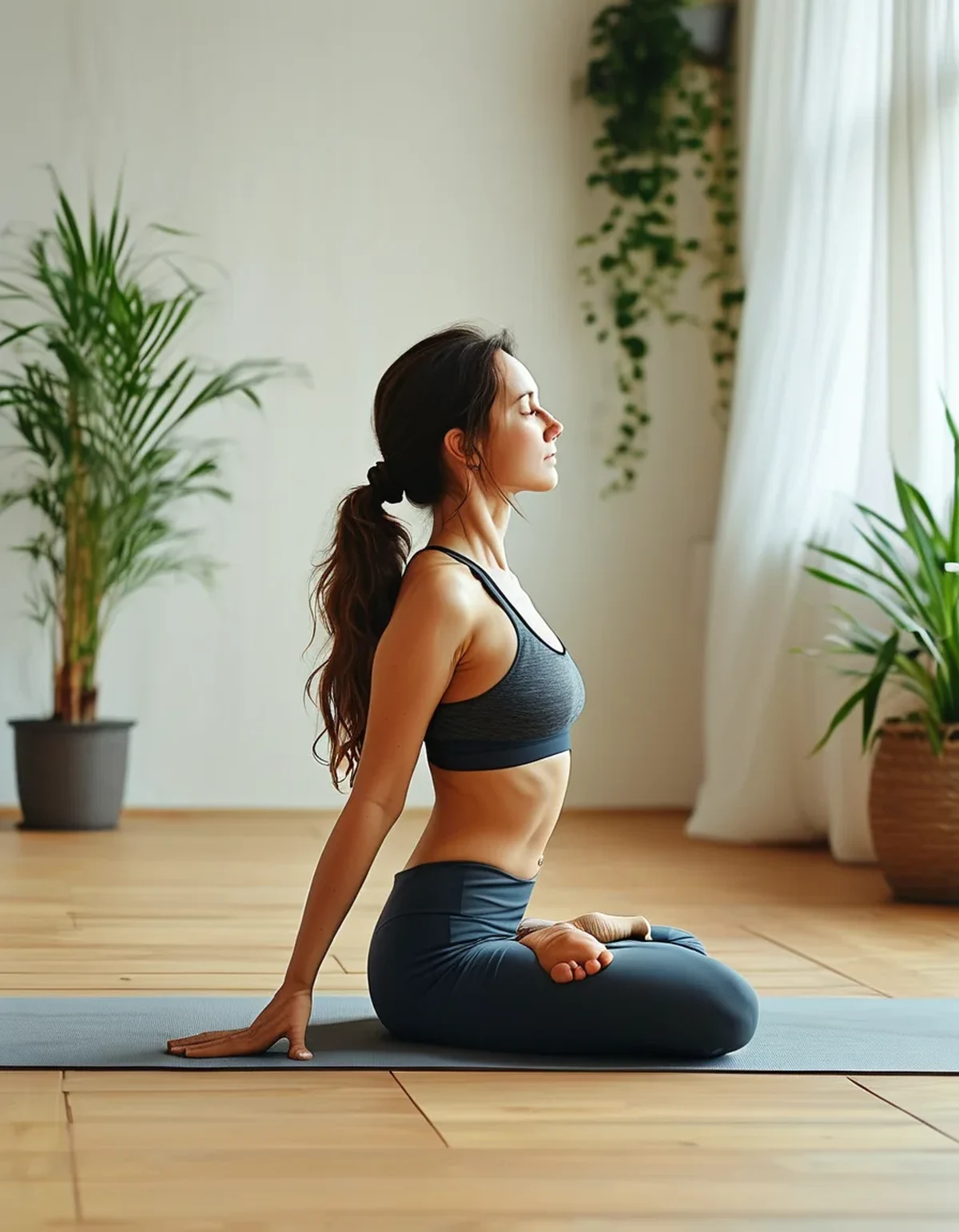
Quick Answer: Most yin yoga poses are held for three to five minutes to allow connective tissue, rather than muscle, to gradually release, but beginners often start with 90 seconds to two minutes and build up duration over several weeks as tolerance for stillness and sensation increases.
Why does yin yoga use such long hold times compared to other yoga styles?
Yin yoga targets fascia, ligaments, and joint capsules — connective tissues that respond to slow, sustained stress rather than the quick stretch-and-release muscles do. Research on connective tissue behavior suggests it needs roughly two or more minutes of sustained tension before meaningful, lasting changes in length and pliability begin, which is the physiological basis for yin’s characteristically long holds.
Is it fine to hold a pose for less time as a beginner?
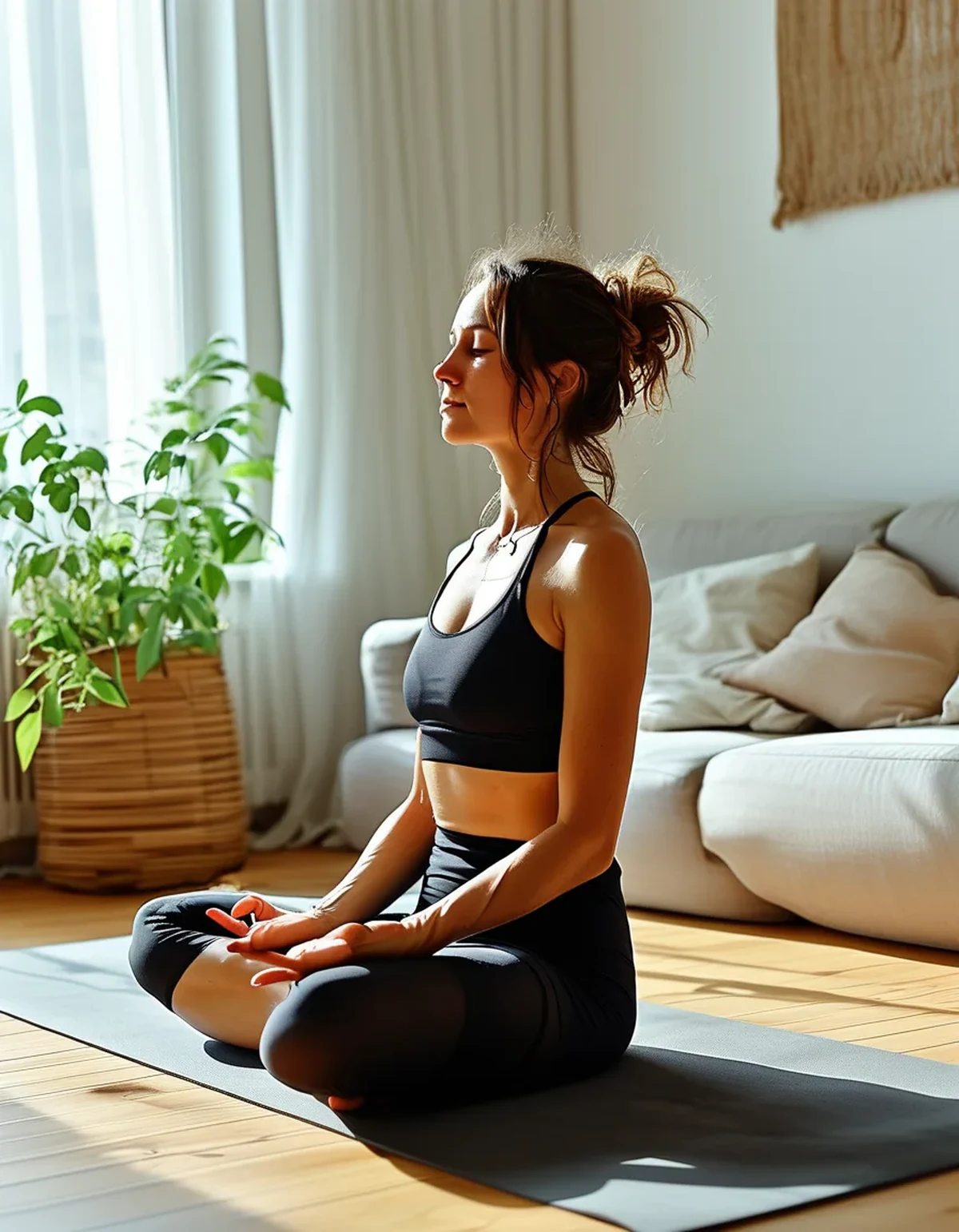
Yes, and it’s actually recommended — starting at 90 seconds to two minutes per pose and adding 30 seconds every few sessions lets both your tissue and your tolerance for stillness build gradually. Jumping straight to five-minute holds as a beginner often leads to shifting around or tensing up defensively, which undermines the passive stretch the pose is meant to create.
Should every pose in a sequence be held for the same length of time?
Not necessarily — poses targeting larger joint areas like the hips often benefit from the longer end of the range (four to five minutes), while poses that create more intense sensation in smaller areas can be just as effective at three minutes. Adjusting duration by how a specific pose feels, rather than applying one fixed number across an entire sequence, tends to work better in practice.
What does ‘holding too long’ actually feel like?
Sharp, localized pain, numbness, or tingling are signs to come out of a pose regardless of the clock — yin’s target sensation is a mild, dull stretch, not intensity that increases the longer you stay. Holding through genuinely sharp sensation doesn’t create a better stretch; it risks strain on the ligament or joint capsule being targeted.
FAQ: Yin Yoga Hold Time Questions, Answered
Does holding longer than five minutes provide extra benefit?
Most teacher training programs don’t recommend exceeding five to seven minutes for most poses, since the additional benefit beyond that range is minimal while joint strain risk increases.
Should hold time change based on time of day?
Some practitioners hold slightly shorter in the morning when tissue is less warmed up, though this is a personal comfort adjustment rather than a strict rule.
Is a timer necessary, or can breath counting work instead?
Either works — a timer removes the temptation to guess and come out early, while breath counting (roughly ten to twelve slow breaths per minute as a rough three-minute guide) works fine once you’re familiar with your own pace.
TL;DR:
- Three to five minutes per pose is standard, but beginners should start at 90 seconds to two minutes
- Long holds target connective tissue, which needs sustained time to respond, unlike muscle
- Duration can vary by pose and target joint area rather than staying fixed across a sequence
- Sharp pain or numbness means come out immediately, regardless of remaining time
Hold time in yin yoga is a guideline to build toward, not a number to force from day one — let sensation and experience guide how long each pose actually needs.
Keep Reading
This article is for general informational purposes only and is not medical advice. Always consult a qualified health professional for guidance specific to you.