Yin Yoga for Stress and Tension: The Slow Practice Your Nervous System Craves
In a world of fast, sweaty workouts, yin yoga is the opposite — long-held, passive, deeply calming poses that release physical tension and downshift a frazzled nervous system. It’s exactly what a stressed body craves. The guide: why yin helps stress, how it works and how to practice it.
The Yin-for-Stress Case
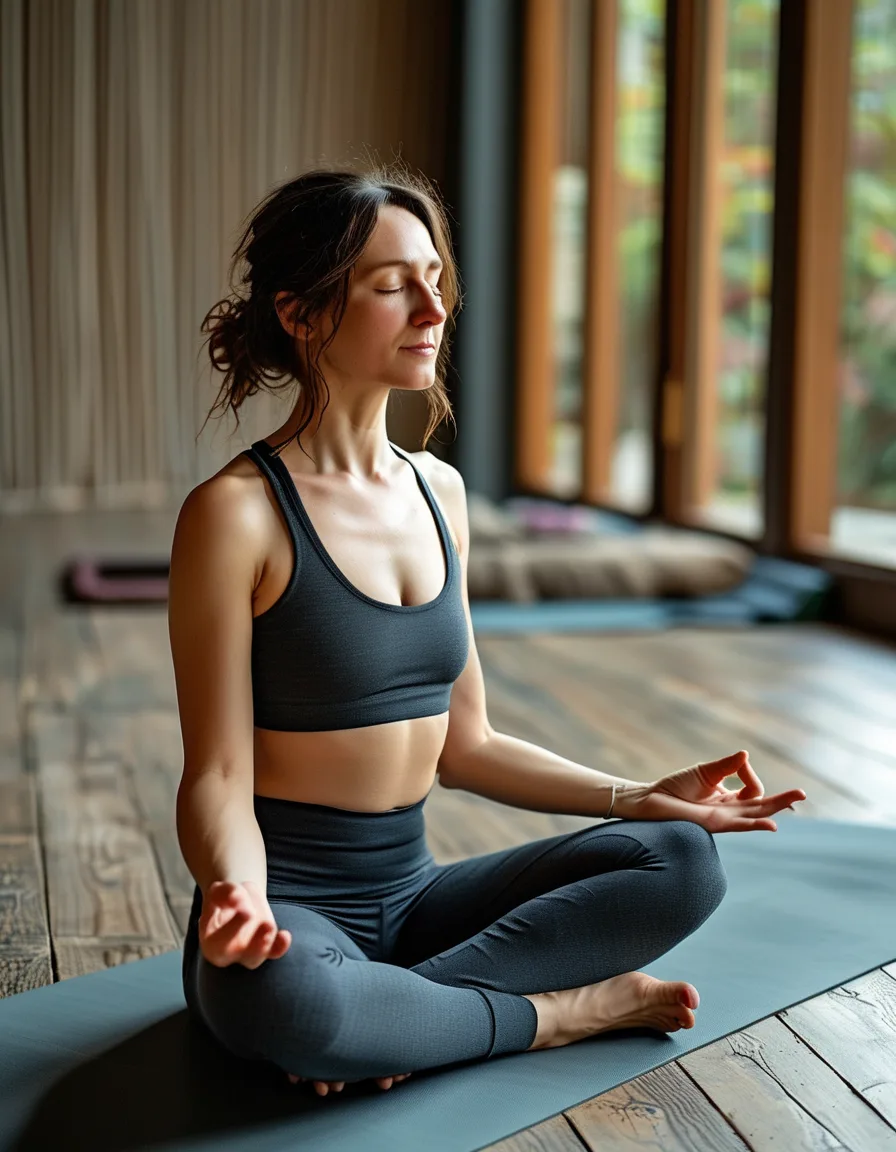
Why yin is what stress needs: the the-opposite-of-fast (the yin being the-opposite of-fast-sweaty-workouts from the yin-yoga-complete-intro chapter — the the-opposite; the the-slow; the the-passive), the the-long-held-passive-poses (the long-held, passive, calming poses from the yin-yoga-complete-intro chapter — the the-long-held; the the-passive; the the-calming), the the-releases-tension (the yin releasing physical-tension — the the-releases; the the-tension; the the-lets-go), the the-downshifts-the-nervous-system (the yin downshifting a-frazzled-nervous-system from the somatic and calm logic — the the-downshift; the the-nervous-system; the the-calm), the the-what-stressed-bodies-crave (the yin being what-a-stressed-body-craves — the the-craves; the the-needs-it), and the reframe (the yin-yoga as the slow, nervous-system-calming practice for-stress-and-tension — the try-yin; the the-stress-relief).
The How-Yin-Works-and-Poses Breakdown
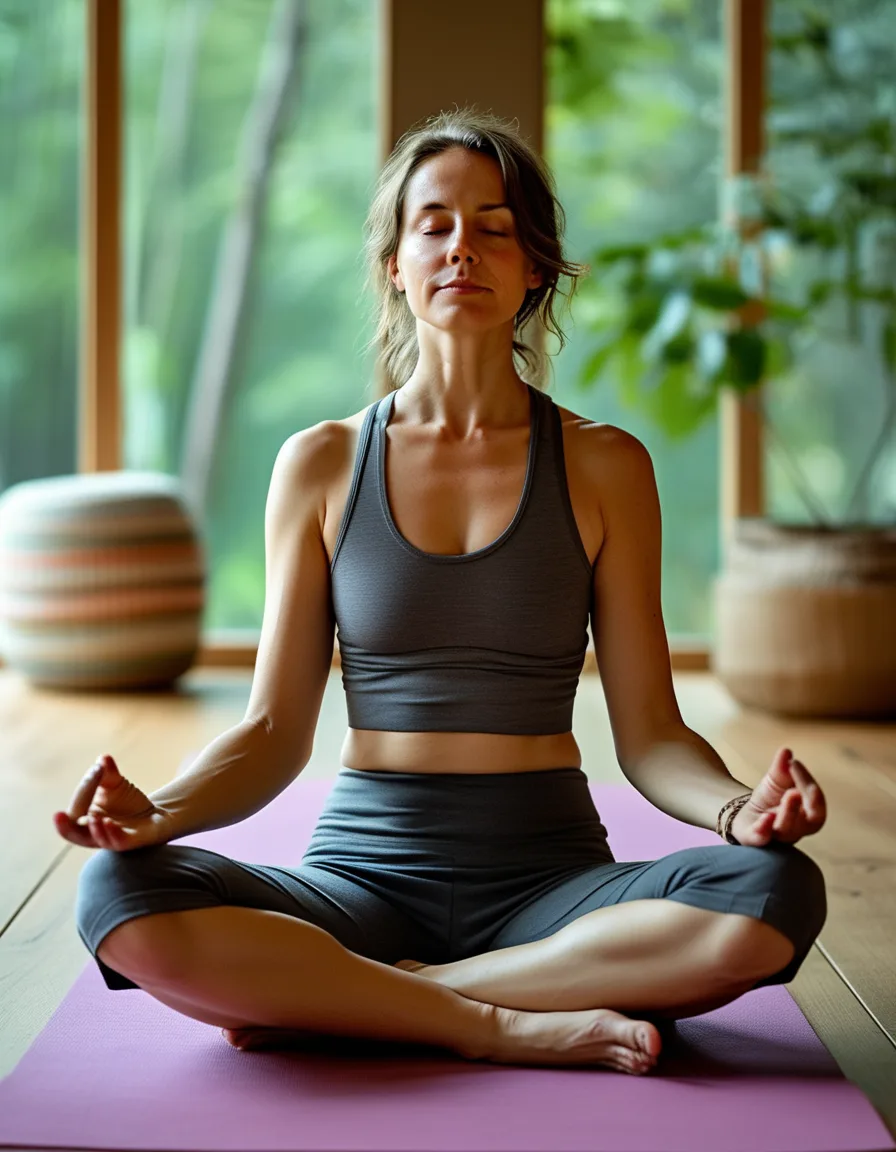
How yin works and the poses: the the-long-holds (the long-holds (minutes-per-pose) from the yin-yoga-complete-intro chapter — the the-long-holds; the the-minutes; the the-the-key), the the-passive-and-relaxed (the passive, muscles-relaxed (not-active) from the yin-yoga-complete-intro chapter — the the-passive; the the-relaxed; the the-not-effort), the the-targets-connective-tissue (the yin-targeting connective-tissue-and-fascia — the the-connective-tissue; the the-fascia; the the-deep), the the-supported-and-comfortable (the supported (props) for-comfort from the props logic — the the-supported; the the-props; the the-comfortable), the the-breath-and-stillness (the breath-and-stillness (meditative) — the the-breath; the the-stillness; the the-meditative), the the-common-poses (the gentle, floor-based poses (held-long) from the yin-yoga-evening-sequence chapter — the the-poses; the the-floor-based; the the-held-long), the the-nervous-system-calm (the the-stillness-and-holds calming the-nervous-system — the the-calm; the the-downshift), and the the-vs-restorative (the yin-vs-restorative from the yin-vs-restorative chapter — the the-vs-restorative; the the-related).
The How-to-Practice Notes
How to practice yin: the the-start-with-an-intro (the a-yin-intro/beginner from the yin-yoga-complete-intro chapter — the the-intro; the the-beginner; the the-start), the the-use-props (the use-props for-support from the props logic — the the-props; the the-support; the the-comfortable), the the-find-your-edge-gently (the find-a-gentle-edge (not-pain) — the the-edge; the the-gentle; the the-not-pain; the the-hypermobile-caution), the the-hold-and-breathe (the hold-and-breathe (stillness) — the the-hold; the the-breathe; the the-stillness), the the-evening-practice (the yin as an-evening/wind-down practice from the yin-yoga-evening-sequence chapter — the the-evening; the the-wind-down), the the-let-go-and-relax (the let-go-and-relax (the-point) — the the-let-go; the the-relax), the the-regular-practice (the regular-practice for-stress-relief — the the-regular; the the-consistency), and the frame (yin yoga for stress through the yin-for-stress-case, the how-yin-works-and-poses and how-to-practice — the long-held, passive, supported poses that release-tension-and-calm-the-nervous-system; the stress, yin’d). In a world of fast, sweaty workouts, yin yoga is the opposite — long-held (minutes per pose), passive, deeply calming poses that release physical tension and downshift a frazzled nervous system. It’s exactly what a stressed body craves. It works through long passive holds that target connective tissue, supported by props, with breath and stillness that calm the nervous system. Practice it: start with a beginner intro, use props, find a gentle edge (not pain — especially if hypermobile), hold and breathe, do it in the evening as a wind-down, and let go. The slow practice your nervous system craves.
In a world of fast, sweaty workouts, yin yoga is the opposite — long-held (minutes per pose), passive, deeply calming poses that release physical tension and downshift a frazzled nervous system. It’s exactly what a stressed body craves. It works through long passive holds that target connective tissue, supported by props, with breath and stillness that calm the nervous system. Practice it: start with a beginner intro, use props for support, find a gentle edge (not pain — especially if hypermobile), hold and breathe, do it in the evening as a wind-down, and let go. The slow practice your nervous system craves.
Keep Reading
This article is for general informational purposes only and is not medical advice. Always consult a qualified health professional for guidance specific to you.