Yin Yoga for Flexibility and Deep Stretch (Release, Don't Force)
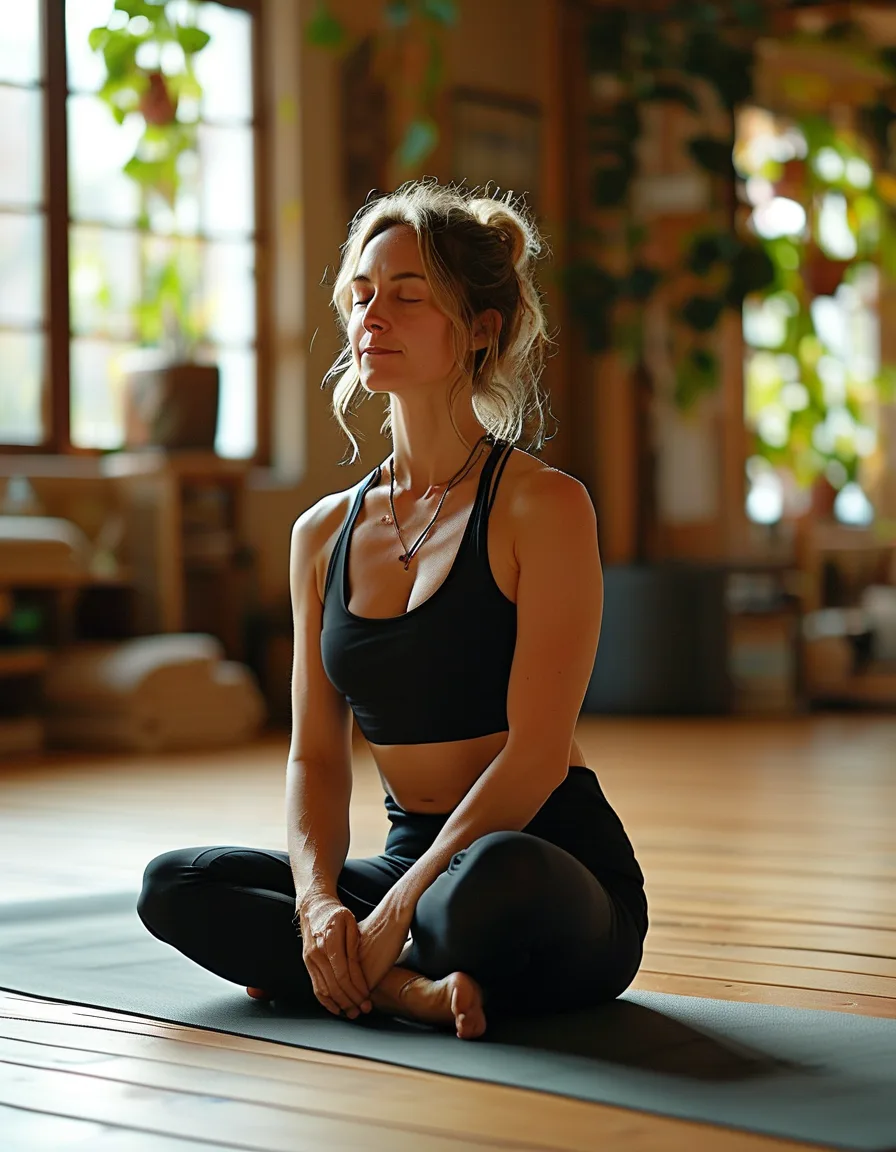
Yin yoga builds flexibility in a completely different way from active stretching — by holding gentle poses for several minutes and letting the body release, rather than forcing it. It is deeply effective for tight areas. Here is how yin yoga builds flexibility, how to practice it, and how to do it safely.
How Yin Yoga Builds Flexibility
Release over force: the the-long-held-poses (the yin yoga holding gentle poses for several minutes to release the body from the complete-intro logic — the long-holds), the the-releases-not-forces (the yin working by releasing and letting go, not forcing a stretch from the complete-intro logic — the release-not-force), the the-targets-deep-tissue (the the long holds targeting the deeper connective tissue from the complete-intro logic — the the-deep-tissue), the the-great-for-tight-areas (the yin being effective for tight areas like the hips from the hips logic — the the-tight-areas), the the-calming-too (the the practice being calming and stress-relieving as well from the stress logic — the calm-and-flexible), and the reframe (the yin yoga as building flexibility by releasing, not forcing — long gentle holds letting the deeper tissue open, effective and calming).
The Practice Approach
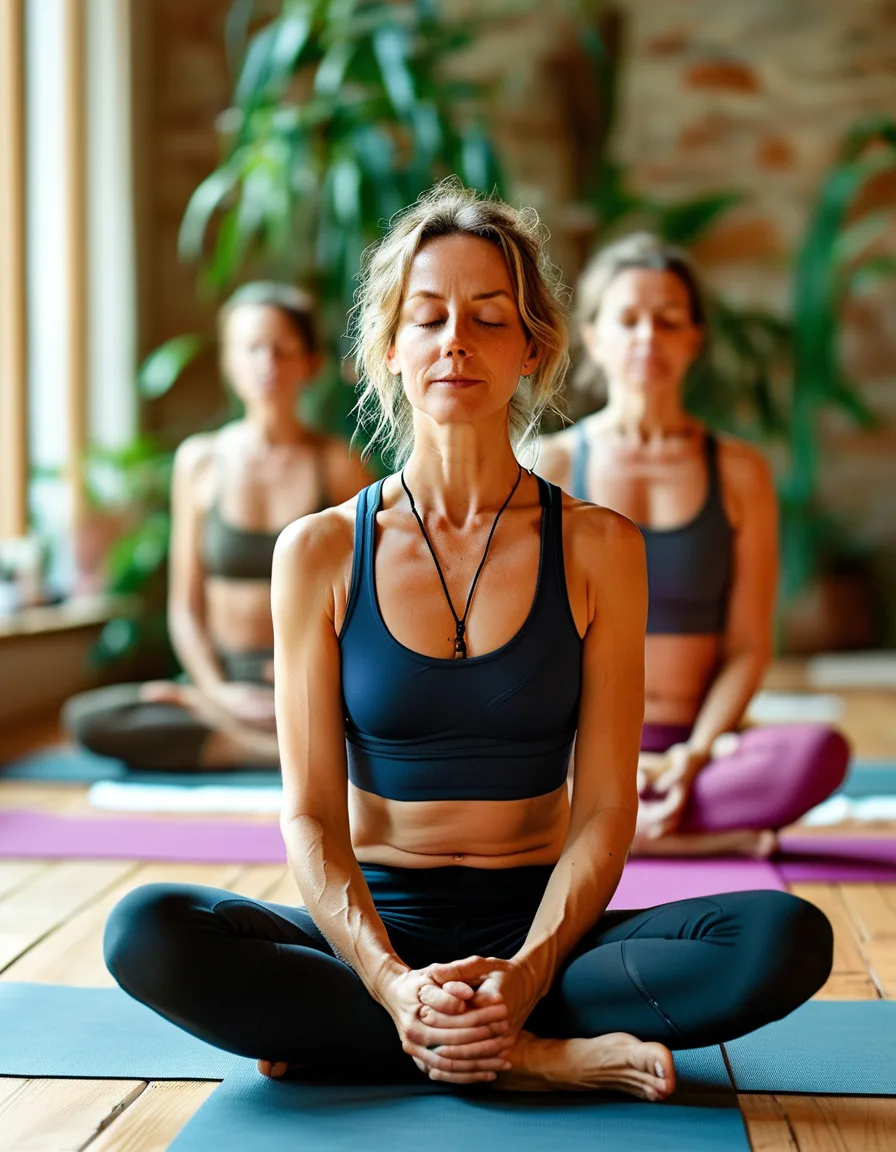
Practicing yin: the the-hold-poses-longer (the holding poses for several minutes, the essence of yin from the complete-intro logic — the the-long-holds), the the-find-your-edge-gently (the finding a gentle edge, not a painful maximum from the complete-intro logic — the gentle-edge), the the-relax-into-the-pose (the relaxing the muscles to let the tissue release from the complete-intro logic — the relax-into-it), the the-breathe-and-be-still (the calm breathing and stillness in each pose from the stress logic — the breathe-and-be-still), the the-use-props (the props to support the body in the holds from the complete-intro logic — the use-props), the the-target-tight-areas (the poses for the hips and other tight areas from the hips logic — the target-the-tight), the the-an-evening-practice (the yin as a calming evening practice from the evening-sequence logic — the the-evening-practice), and the the-let-go-mentally-too (the letting go mentally as well as physically from the stress logic — the release-mind-and-body).
The Do-It-Safely Notes
Practicing yin safely: the the-gentle-edge-not-pain (the finding a gentle edge, never pushing into pain from the complete-intro logic — the not-into-pain), the the-relax-do-not-force (the relaxing and releasing rather than forcing the stretch from the complete-intro logic — the do-not-force), the the-ease-out-slowly (the coming out of long-held poses slowly and gently from the complete-intro logic — the ease-out), the the-use-props-for-support (the props to make the holds safe and comfortable from the complete-intro logic — the support-with-props), the the-listen-to-your-body (the honoring your body’s limits, especially in long holds from the complete-intro logic — the listen-to-your-body), the the-hypermobility-caution (the caution with long holds if you are very flexible or hypermobile — the mind-hypermobility), the the-consistency-for-flexibility (the regular practice building flexibility over time from the complete-intro logic — the consistent-practice), and the frame (the yin yoga for flexibility as long, gentle, prop-supported holds where you relax and release at a comfortable edge — deep flexibility without forcing. Hold poses at a gentle edge, relax and breathe, use props, ease out slowly, and never push into pain).
Yin yoga builds flexibility in a completely different way from active stretching — by holding gentle poses for several minutes and letting the body release, rather than forcing it, which is deeply effective for tight areas. It builds flexibility through long-held poses that release rather than force, targeting the deeper connective tissue, effective for tight areas like the hips, and calming too. Practice it by holding poses for several minutes, finding a gentle edge (not a painful maximum), relaxing into the pose, breathing and being still, using props, targeting tight areas, practicing in the evening, and letting go mentally. Do it safely by staying at a gentle edge (never pain), relaxing rather than forcing, easing out slowly, using props for support, listening to your body, being cautious with hypermobility, and practicing consistently. Deep flexibility without forcing.
Keep Reading
This article is for general informational purposes only and is not medical advice. Always consult a qualified health professional for guidance specific to you.