Yin Yoga: The Slowest Workout You'll Ever Struggle With
Quick Answer: Yin yoga is a slow, floor-based practice where poses are held 3–5 minutes with the muscles deliberately relaxed, targeting connective tissue — fascia, ligaments, and joint capsules — rather than muscle. A typical class is only five or six poses. It looks like the easiest class in the studio and is routinely the hardest, because the challenge is staying still, not working hard.
Yin yoga looks like a nap with props. This is why athletes keep wandering in expecting a rest day and leaving genuinely humbled.
Five minutes in a single pose does something no flow class touches. The struggle isn’t a side effect — it’s the entire mechanism.
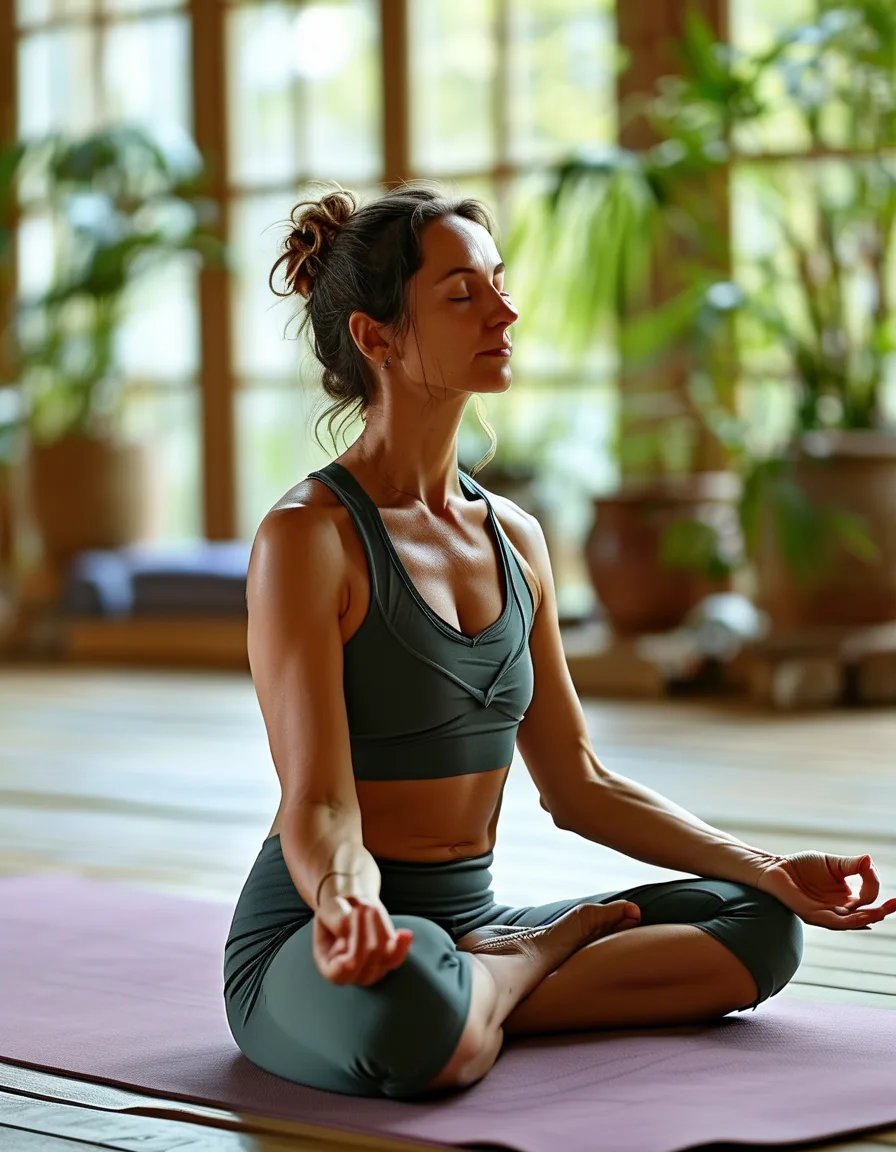
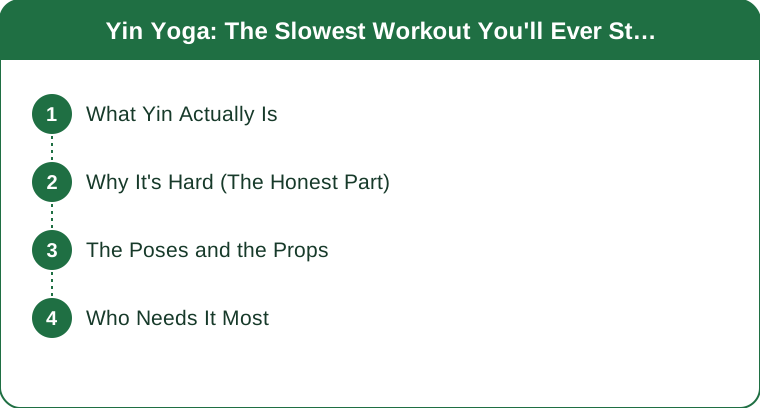
What Is Yin Yoga, Exactly?
The format is simple enough to explain in one sentence: floor poses held for 3 to 5 minutes each, muscles deliberately relaxed, gravity doing the work.
That relaxation is the whole trick. In most yoga, you engage muscles to hold a shape. In yin, engaging muscles defeats the purpose — a tense muscle shields the tissue underneath from the load you’re trying to apply.
Where vigorous (“yang”) yoga targets muscle, yin targets connective tissue: fascia, ligaments, and joint capsules. These tissues have far less blood supply than muscle and respond to a completely different input. Muscle likes repetition and contraction. Connective tissue likes long, gentle, patient, sustained load.
Hence the timing. Research on connective tissue suggests meaningful change requires sustained loading well beyond the 30 seconds a typical stretch gets — which is why yin holds run to three minutes and up.
A full 60-minute class is often only six poses. That sounds relaxing right up until you’re in minute four of the first one.
Why Is Yin Yoga So Hard?
The difficulty is neurological, not muscular, and it arrives on a schedule.
Minute one: fine. This is comfortable. Minute two: noticing sensation. Still fine. Minute three: your brain opens negotiations. Adjust the hip. Check the clock. Reposition the bolster. Plan dinner. Wonder if the teacher forgot about this pose. Minute four: the actual practice.
Yin is strength training for staying put. The physical sensations are real — long holds find tightness that a flowing sequence moves past too quickly to notice — but the workout is watching your own restlessness rise, peak, and settle without acting on it.
Athletes tend to hate it, then need it, then evangelize it, usually in that order and usually within a month.
What Poses Are in a Yin Class?
The recurring cast:
- Butterfly — soles together, folding forward over the legs. Targets hips and lower back. The most universally uncomfortable pose in yin.
- Dragon — a long, low lunge that locates every hour you have ever spent sitting in a chair. Held 3 minutes per side and felt for the rest of the day.
- Caterpillar — a completely surrendered seated forward fold. Rounding the spine is allowed here, which surprises people from other yoga backgrounds.
- Sphinx or Seal — gentle backbends that load the lumbar spine slowly.
- Legs-up-the-wall — the finisher everyone earns. Nervous-system downshift in its purest form.
Props are not optional. Bolsters, blocks, and blankets let the body actually release rather than brace against gravity. A student propped correctly at 60 percent of their range gets more out of yin than a student straining at 95 percent — because the strained one is holding muscular tension, which is exactly the thing yin needs switched off.
The teaching cue that contains the entire technique: find your edge, then back off ten percent.
Who Benefits Most from Yin Yoga?
Runners and lifters. Repetitive training tightens tissue in predictable patterns — hips, hamstrings, thoracic spine. Yin loads exactly those areas in the way they respond to.
Desk workers. Stillness creates a different tightness than movement does, and hip flexors that have been shortened for eight hours a day need long, patient work rather than a quick stretch.
Anyone under chronic stress. The long-hold format downshifts the nervous system as reliably as almost anything in a studio. Slow breathing sustained over five minutes shifts you toward parasympathetic dominance, and the effect is noticeable by the end of one class.
Anyone whose “flexibility work” is 30 rushed seconds after a workout. That’s not enough time for the tissue to do anything. This is the group with the most to gain.
One class a week is the standard prescription. The tissue adapts slowly — expect months, not weeks — but the calm arrives immediately, which is why people stick with it.
What Nobody Tells You About Yin
Sharp pain is not the goal. Yin sensation should be dull, spread out, and tolerable. Anything sharp, electrical, or located in a joint means come out of the pose. This is a real distinction, not a caveat.
You may feel emotional. Long hip holds have a well-documented reputation for surfacing emotion. It’s common enough that teachers expect it and it isn’t a sign anything is wrong.
The day after can feel odd. Not soreness exactly — more a loose, slightly vulnerable feeling in the loaded joints. Normal, and it fades in a day.
Yin is not a substitute for strength work. It improves range and calm; it doesn’t build tissue capacity the way loading does. The people who do best pair it with strength training rather than replacing it.
If you have hypermobility, a recent injury, osteoporosis, or joint pain that persists, talk to a physiotherapist before adding long-hold practice — yin loads joints in ways that suit most people well and some people badly.
FAQ
How is yin yoga different from restorative yoga?
Restorative yoga aims for zero sensation — everything fully propped, the body completely supported, nothing to push against. Yin deliberately seeks a mild, sustained stretch sensation. Restorative is rest; yin is patient work.
How often should I do yin yoga?
Once or twice a week is enough for most people. It’s a genuine training stimulus for connective tissue, not a rest day, so stacking it daily on top of hard training isn’t necessarily better.
Do I need to be flexible to start yin?
No — and inflexible people often get the most from it. Props exist precisely so that the shape adapts to your body rather than the reverse. Nobody in a yin class is looking at anybody else; they’re all busy negotiating with minute three.
TL;DR:
- Yin = floor poses held 3–5 minutes with muscles relaxed, targeting connective tissue
- A full class is only five or six poses
- The hard part is staying still, not the stretch itself
- Props are essential; find your edge, then back off ten percent
- Best for runners, lifters, desk workers, and anyone chronically stressed
- Once a week is the standard dose; dull sensation yes, sharp pain no
Six poses, five minutes each, edge minus ten percent. Yin was never the easy class — it’s the patient one, and patience turns out to be the muscle nobody trained.
Keep Reading
This article is for general informational purposes only and is not medical advice. Always consult a qualified health professional for guidance specific to you.