The Breathing Technique That Actually Deepens a Yin Yoga Hold
Quick Answer: Slow, even nasal breathing with a slightly longer exhale than inhale (for example, a 4-count inhale and 6-count exhale) helps the nervous system shift into the parasympathetic state that allows connective tissue to actually release during a long hold. Holding your breath or breathing shallow and fast works against the pose’s purpose.
Yin poses are held for minutes at a time, and what your breath does during those minutes determines whether your body actually softens into the stretch or stays braced against it the entire time.
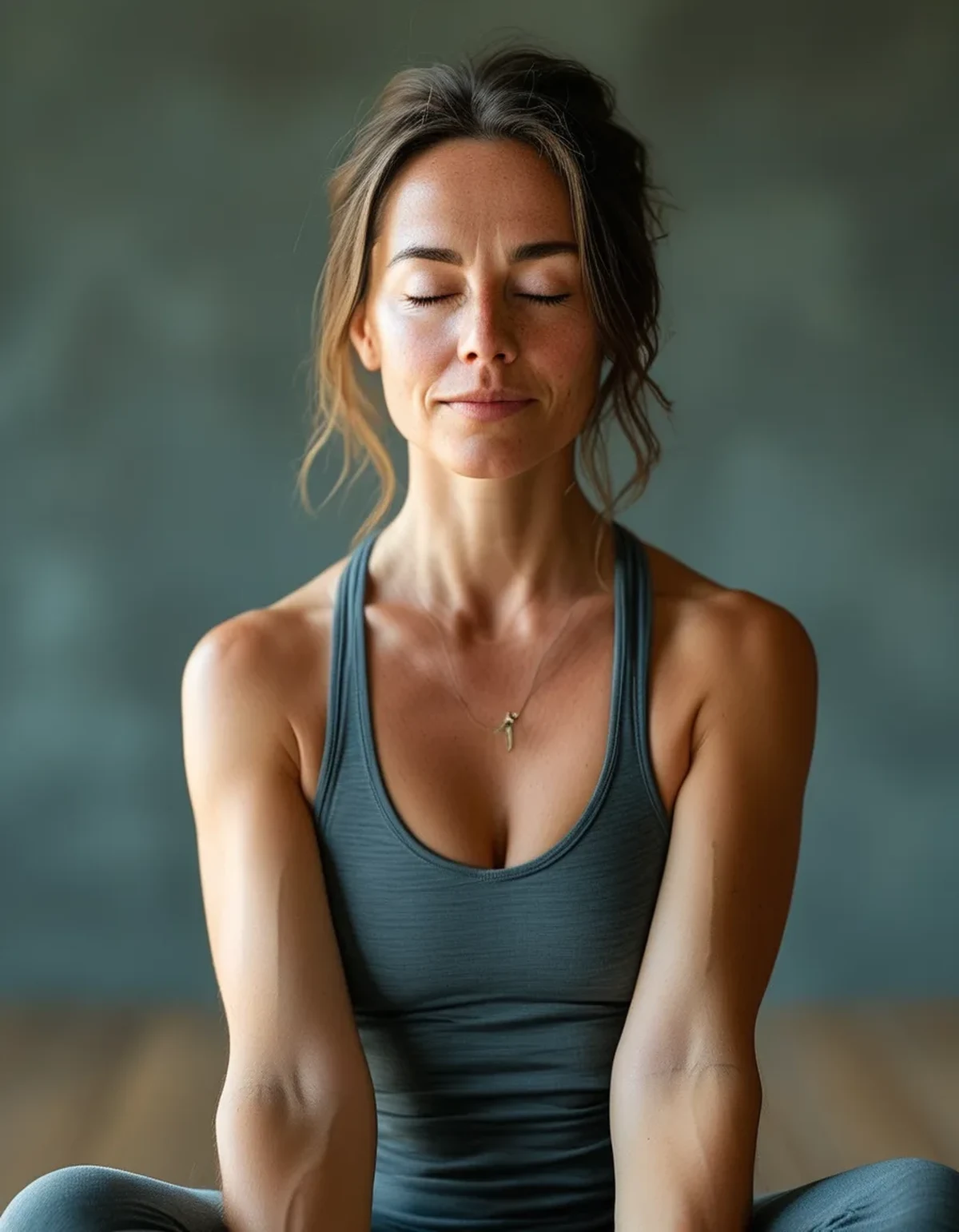
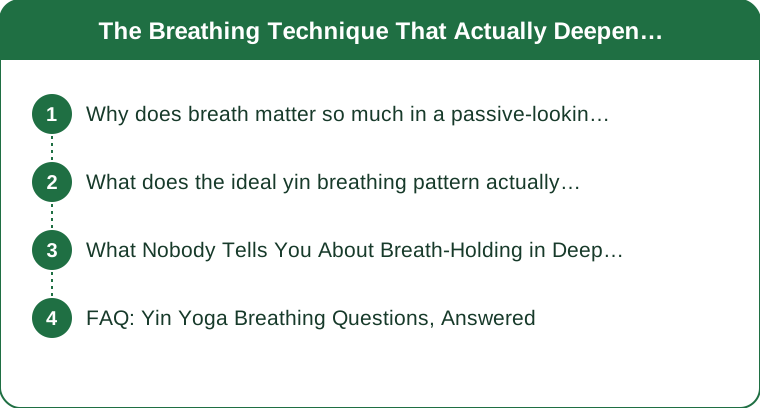
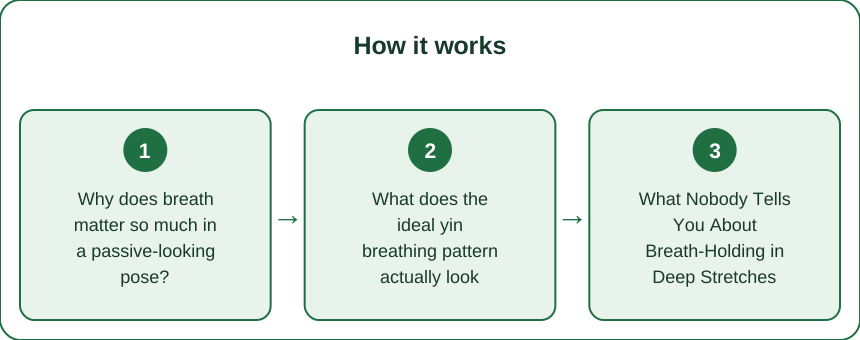
Why does breath matter so much in a passive-looking pose?
Yin targets connective tissue — fascia, ligaments, joint capsules — rather than muscle, and that tissue responds to sustained, gentle stress over time, not force. A nervous system stuck in a mild stress response (shallow, fast breathing) keeps surrounding muscles subtly guarded, which limits how much the deeper tissue can actually release.
Slow, deliberate breathing signals safety to the nervous system, which is what allows the parasympathetic (‘rest and digest’) state to take over — and that state is when meaningful tissue release actually happens, not during a held breath or shallow breathing pattern.
What does the ideal yin breathing pattern actually look like?
A commonly taught pattern is inhale for a count of 4, exhale for a count of 6 through the nose, keeping the breath smooth rather than forced. The longer exhale specifically activates the vagus nerve, reinforcing the calming, parasympathetic shift.
This isn’t about deep dramatic breathing — it should feel quiet and almost invisible to someone watching you, more like the breath naturally slowing than an active technique being performed.
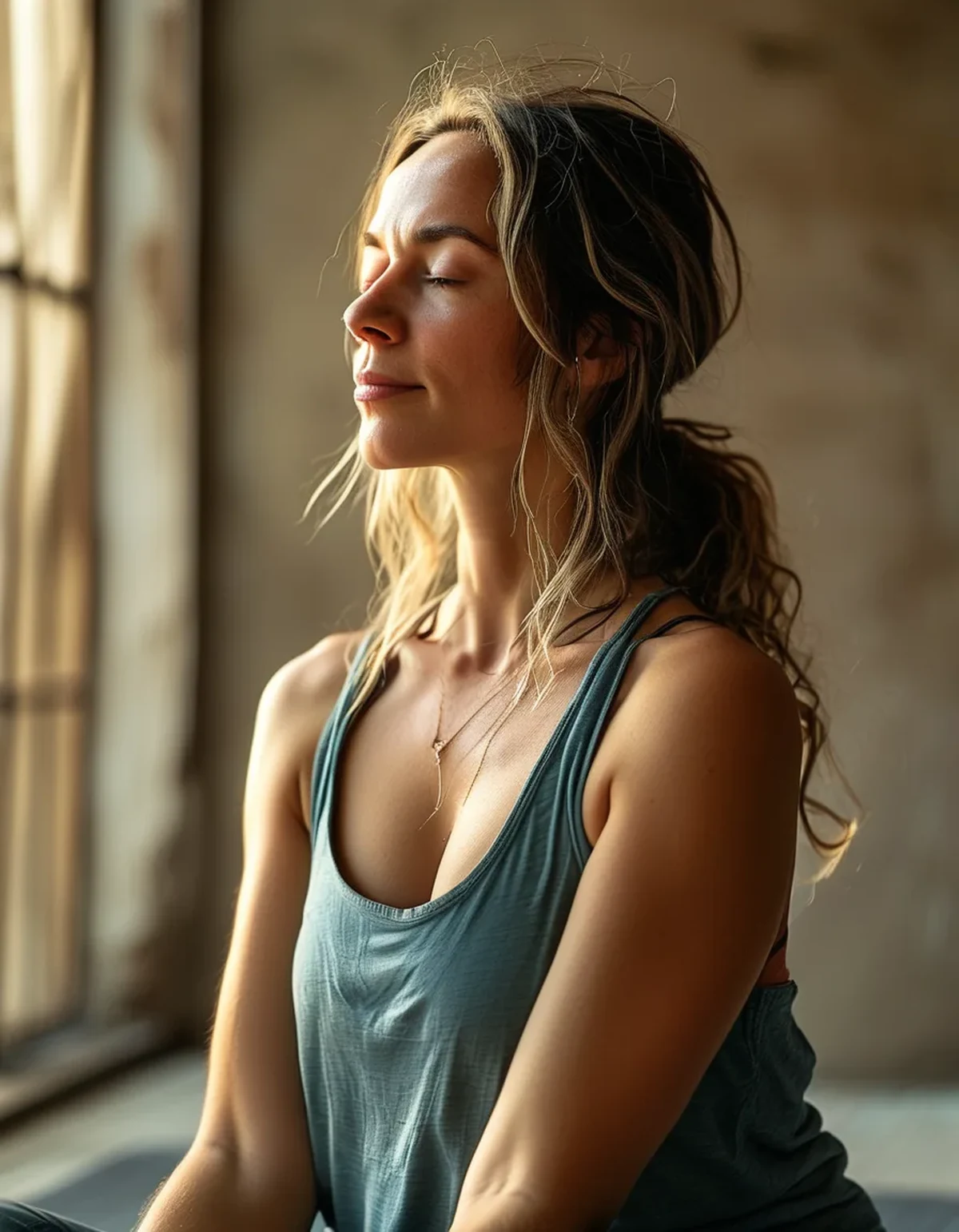
What Nobody Tells You About Breath-Holding in Deep Stretches
Almost everyone unconsciously holds their breath at the exact moment a stretch gets uncomfortable — it’s an instinctive bracing response. In yin specifically, this moment is the most important one to catch, because holding your breath right when a hold gets intense keeps your body in a guarded state exactly when you’re trying to encourage release.
The practical fix: whenever you notice increased sensation in a hold, actively check whether you’re still breathing evenly. If not, that’s your cue to soften the breath again, sometimes more useful than adjusting the physical position itself.
FAQ: Yin Yoga Breathing Questions, Answered
Should I breathe through my nose or mouth during yin poses?
Nasal breathing is generally recommended — it naturally slows the breath rate and supports the calming nervous system response yin poses are designed to encourage.
Is Ujjayi (ocean) breath appropriate for yin yoga?
Some practitioners use a very soft Ujjayi breath, but a strong, audible Ujjayi (more common in vinyasa) can be too activating for yin’s calming intent — a gentler, quieter version if used at all.
What if I can’t stop thinking about my breath and it feels forced?
That’s common at first — try counting silently instead of actively controlling the breath’s mechanics; the counting alone often naturally slows and evens out the breath without extra effort.
TL;DR:
- Slow, even breathing shifts the nervous system into the state where tissue release happens
- A 4-count inhale, 6-count exhale pattern reinforces the calming vagal response
- Watch for unconscious breath-holding when a hold becomes intense — that’s the key moment to soften
- Nasal breathing supports the practice better than mouth breathing
Next time a yin hold feels stuck, check your breath before adjusting your body — it’s often the faster route to actually releasing.
Keep Reading
This article is for general informational purposes only and is not medical advice. Always consult a qualified health professional for guidance specific to you.